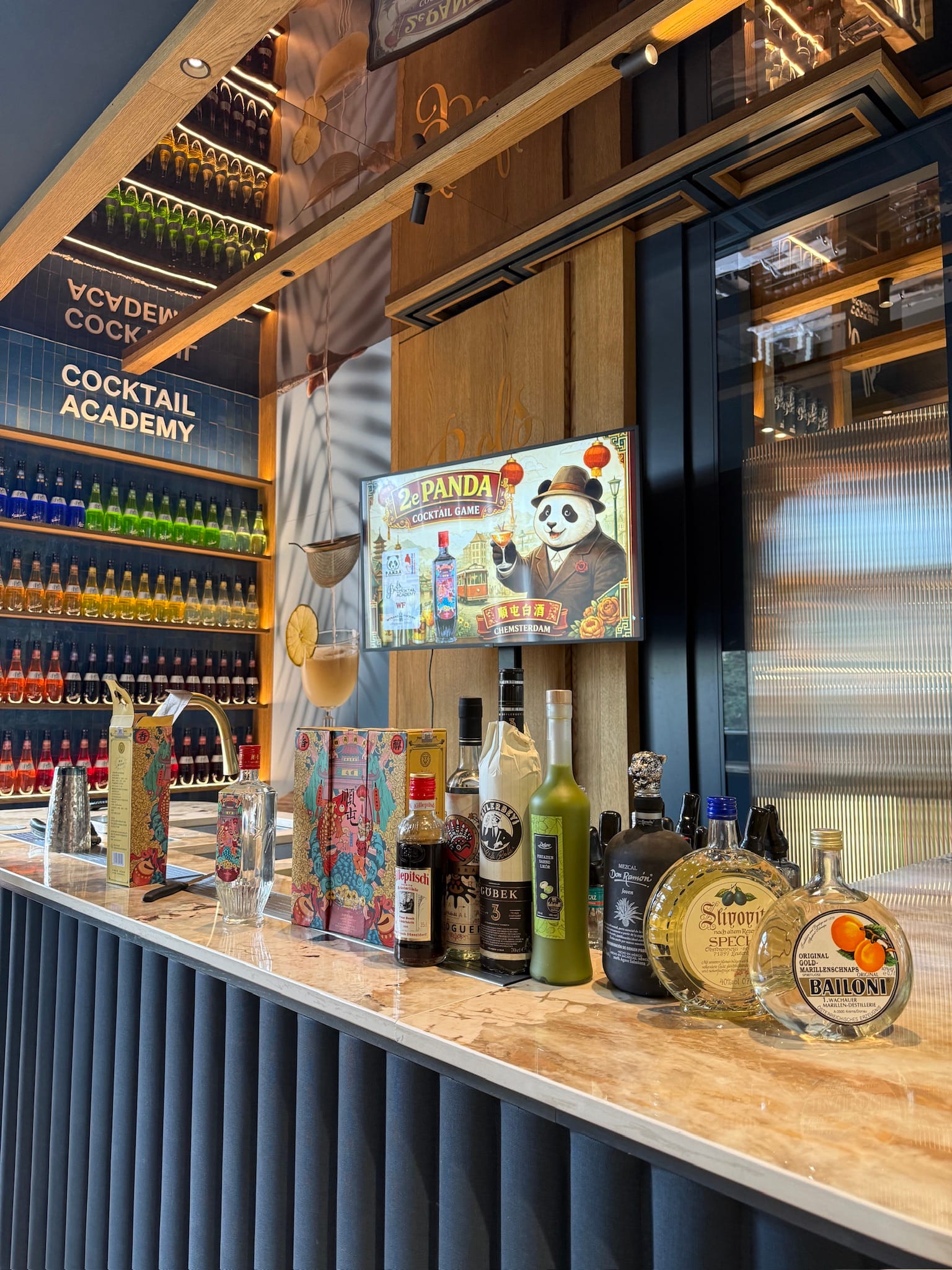
Why I Chose Don Ramón Mezcal Joven for the 2e PANDA Cocktail Game
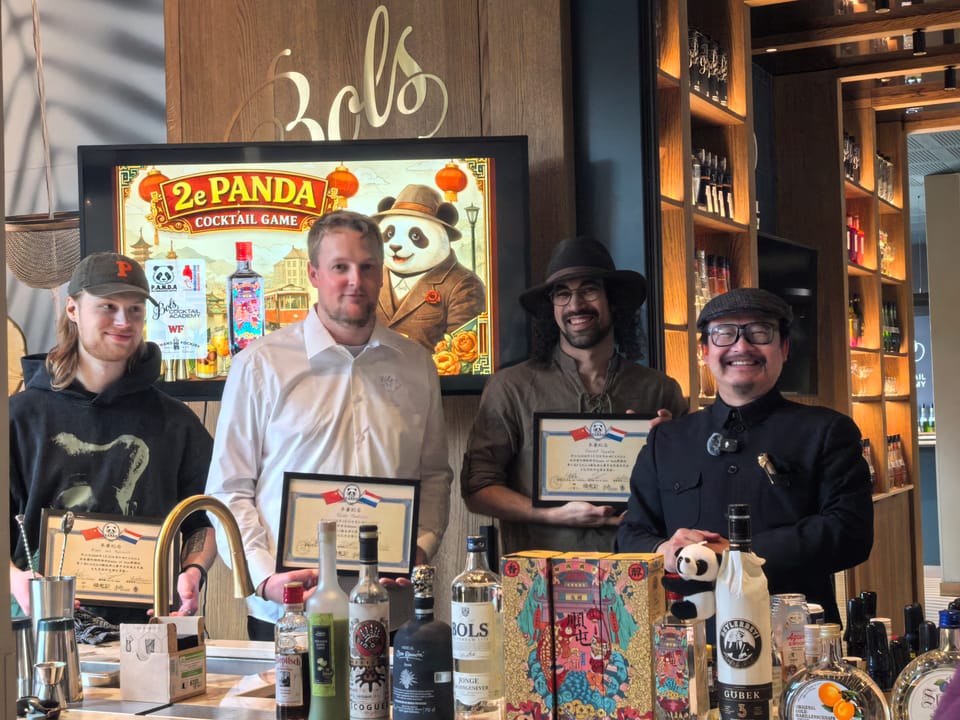
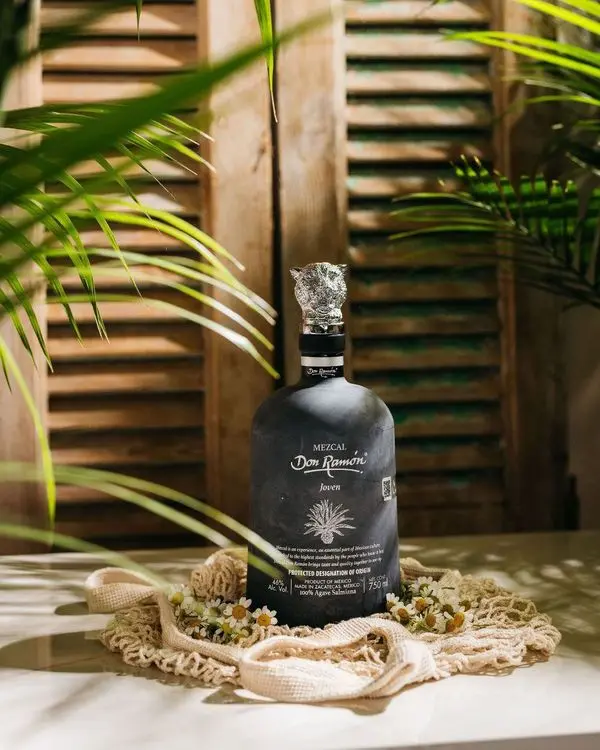
Someone once asked me why I chose Don Ramón Mezcal Joven for the 2e PANDA Cocktail Game.
I could have given a clean, professional answer: structure, character, mixability, balance, cross-cultural potential. All of that would have been true. But it would not have been the whole truth.
The real answer is more personal than technical.
It is a Gift from a Girl Fancinates Me
This bottle came into my life through a girl who fascinated me. She was someone I chose not to pursue, not because I felt nothing, but because I knew I did not have the time, steadiness, or margin to care for her properly. Some things are better left unforced. Still, certain traces remain, and this bottle became one of them.
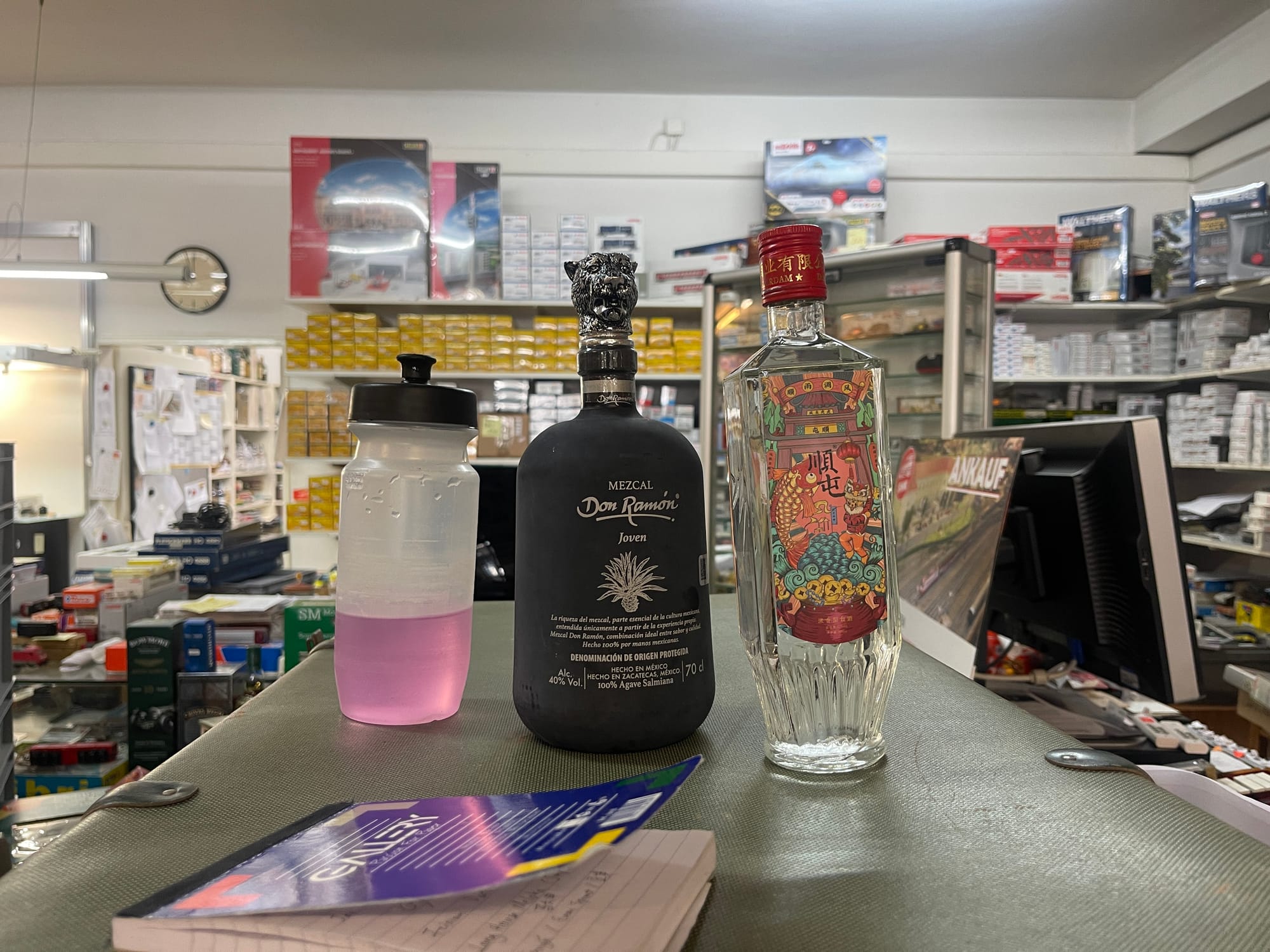
She gave it to me in Den Haag. Since then, it somehow kept travelling with me on a bicycle—Rotterdam, Duisburg, Düsseldorf, Maastricht. It has probably seen more of Europe than some people I know. At one point, I even took a small sip from it when I missed a moment that never quite became a relationship. So yes, this mezcal carries more context than most bottles do.
Some Fond Memories from Hans' Youth
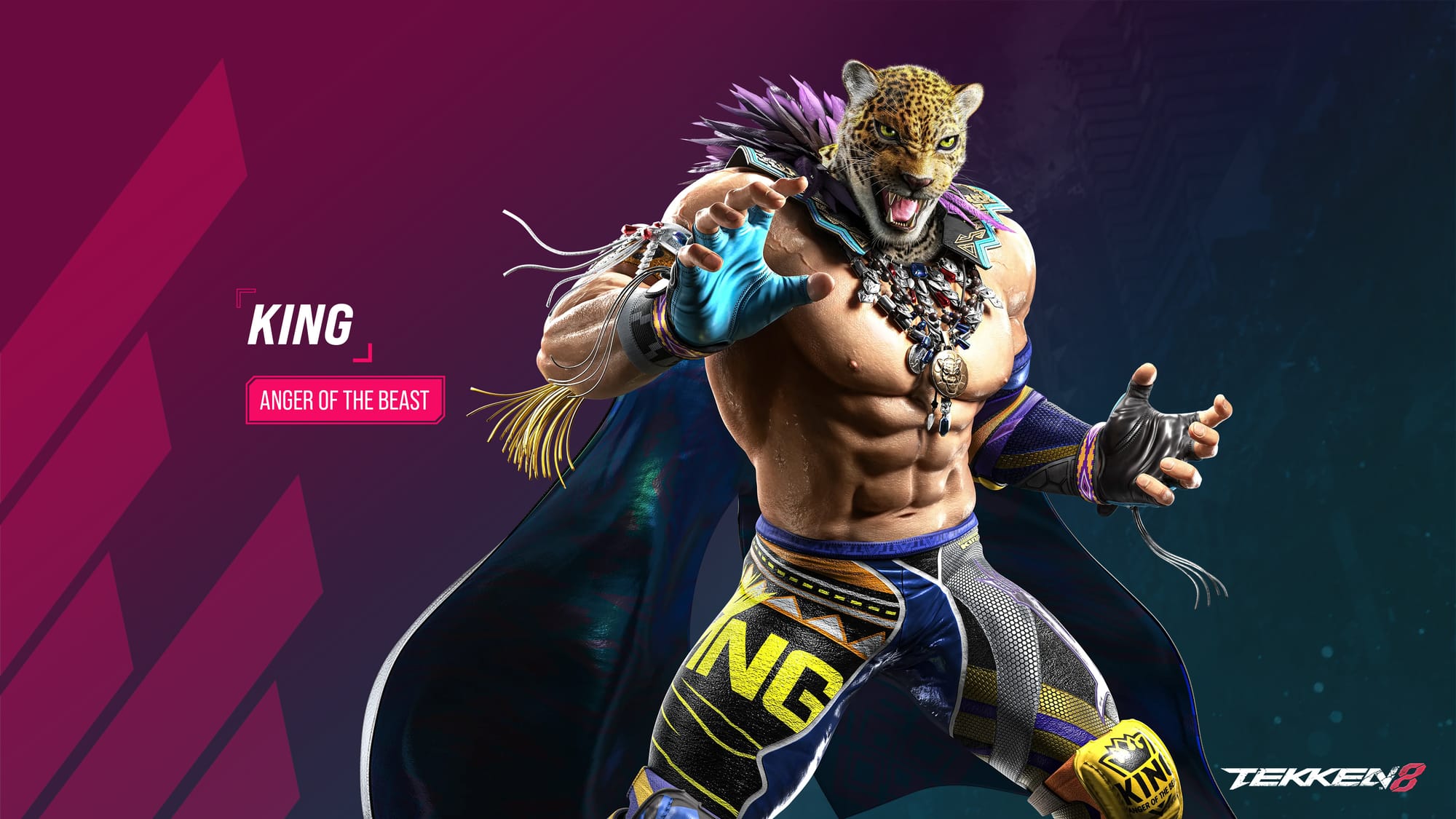
There is also a less romantic and slightly ridiculous layer to the story. My favorite Tekken character has long been King, the Mexican wrestler with the jaguar mask. Back in Chengdu, I used that character so obsessively that friends started calling me the “King of King.” There was even one guy who lost to me around a hundred times in a row, and when he finally won once, he nearly cried. So in some strange way, Mexico had already entered my imagination long before mezcal entered my professional vocabulary.
Quality is What Really Counts
But memory alone is not enough to put a bottle on a competition stage.
The more serious reason is simple: this mezcal is genuinely good.
Don Ramón Mezcal Joven has character, but it is balanced. It has presence, but it does not become arrogant. It stands out, but it does not bully everything around it. For a cocktail competition, that matters. A good competition spirit should not merely dominate; it should provoke response. It should give bartenders something to work with, not something they have to fight against.
That is one of the reasons it fits the PANDA Cocktail Game. What we are trying to do in PCG is not to place spirits into a hierarchy of winners and losers, nor to flatten all traditions into one international flavor language. The point is to let different cultural spirits meet on the same stage and enter into dialogue. For that, you need bottles with identity—bottles that bring a voice, not just a function.
And in that respect, this mezcal resonates with me in a way that reminds me of Shuntun Baijiu.
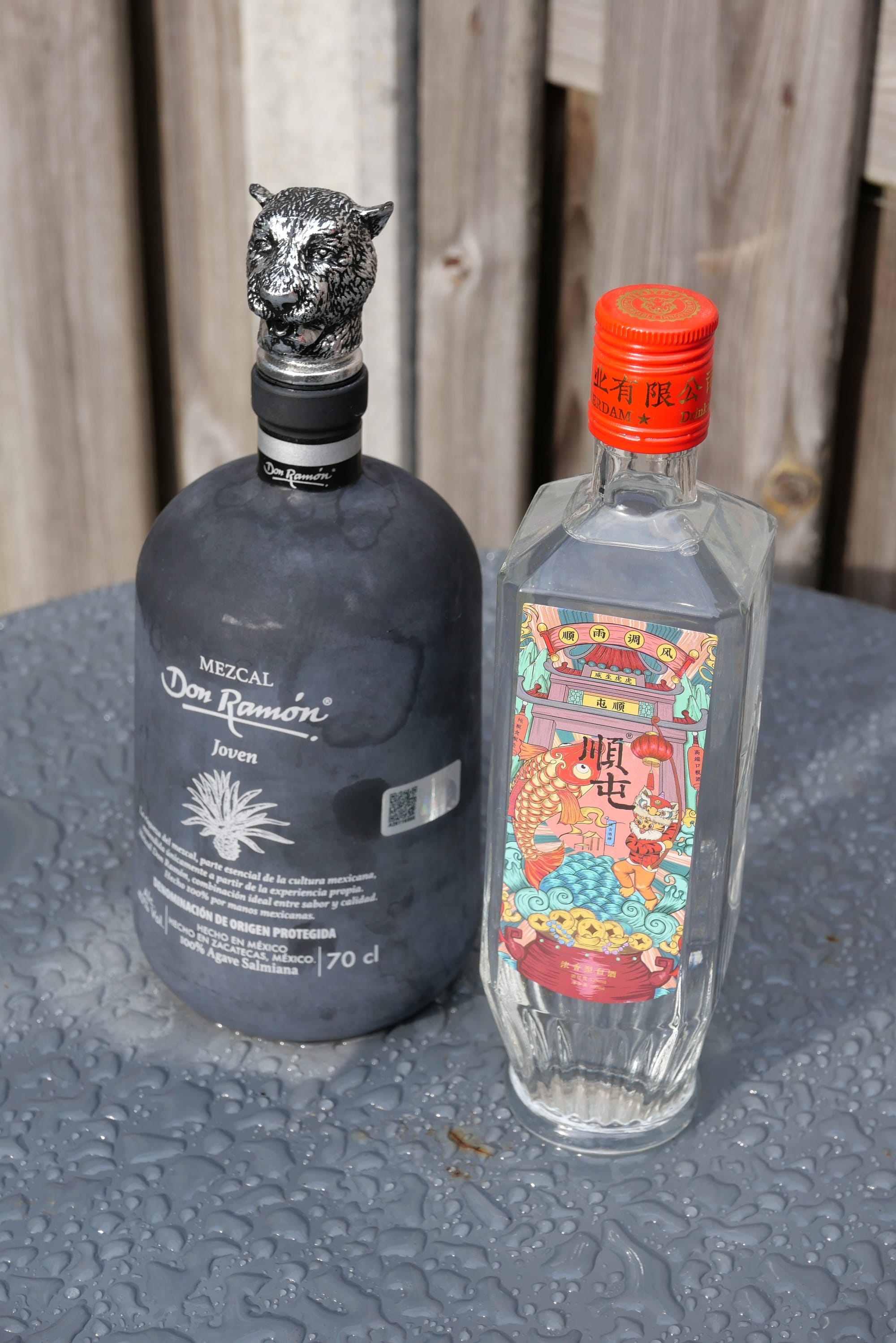
Some spirits feel as though they are trying to protect something: a local memory, a cultural dignity, a production philosophy, an older sense of value that refuses to dissolve completely into market convenience. They may adapt, but they do not surrender too easily. I respect that. I think Don Ramón Mezcal Joven carries some of that same quiet stubbornness.
That may also be why I kept bringing it with me.
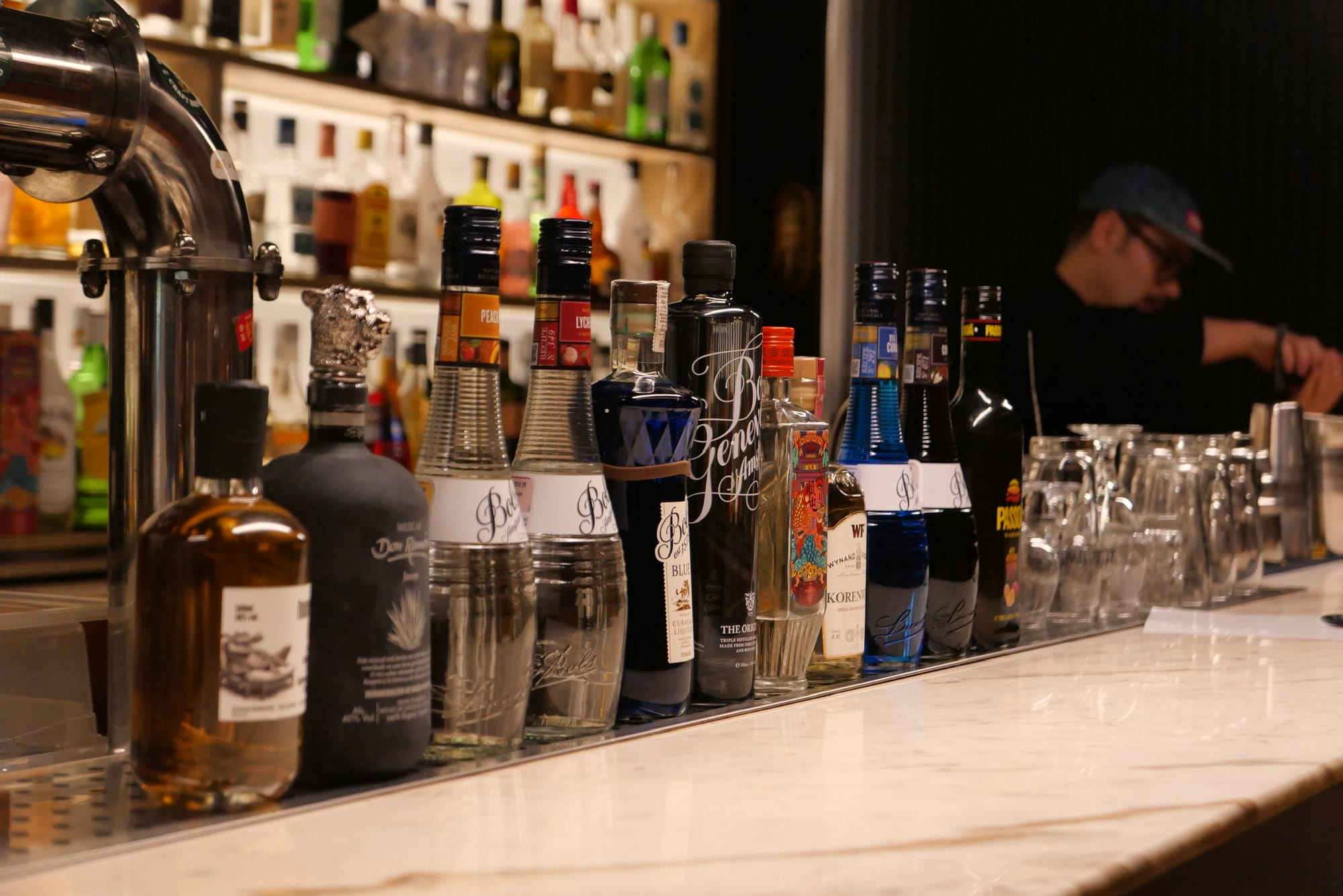
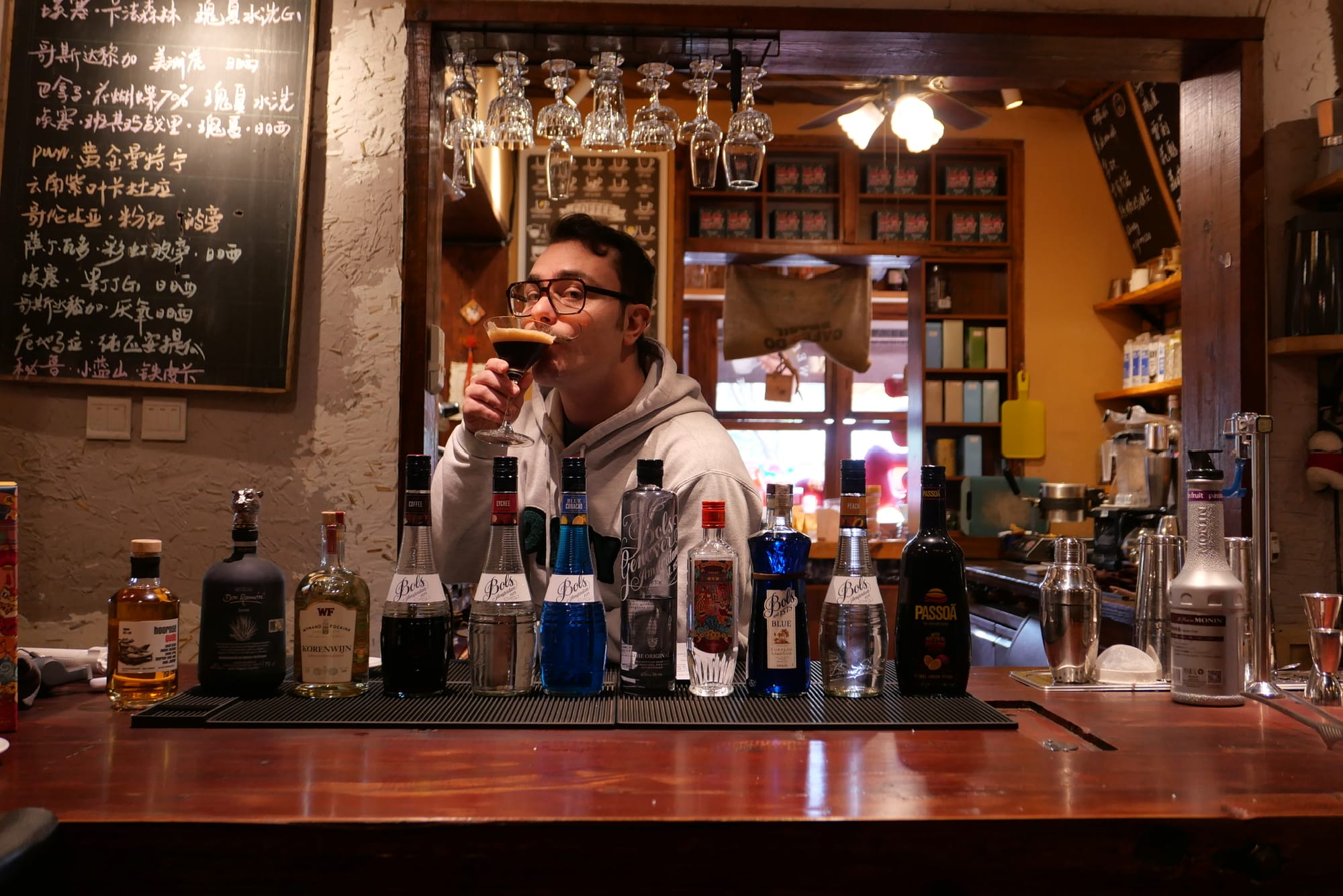
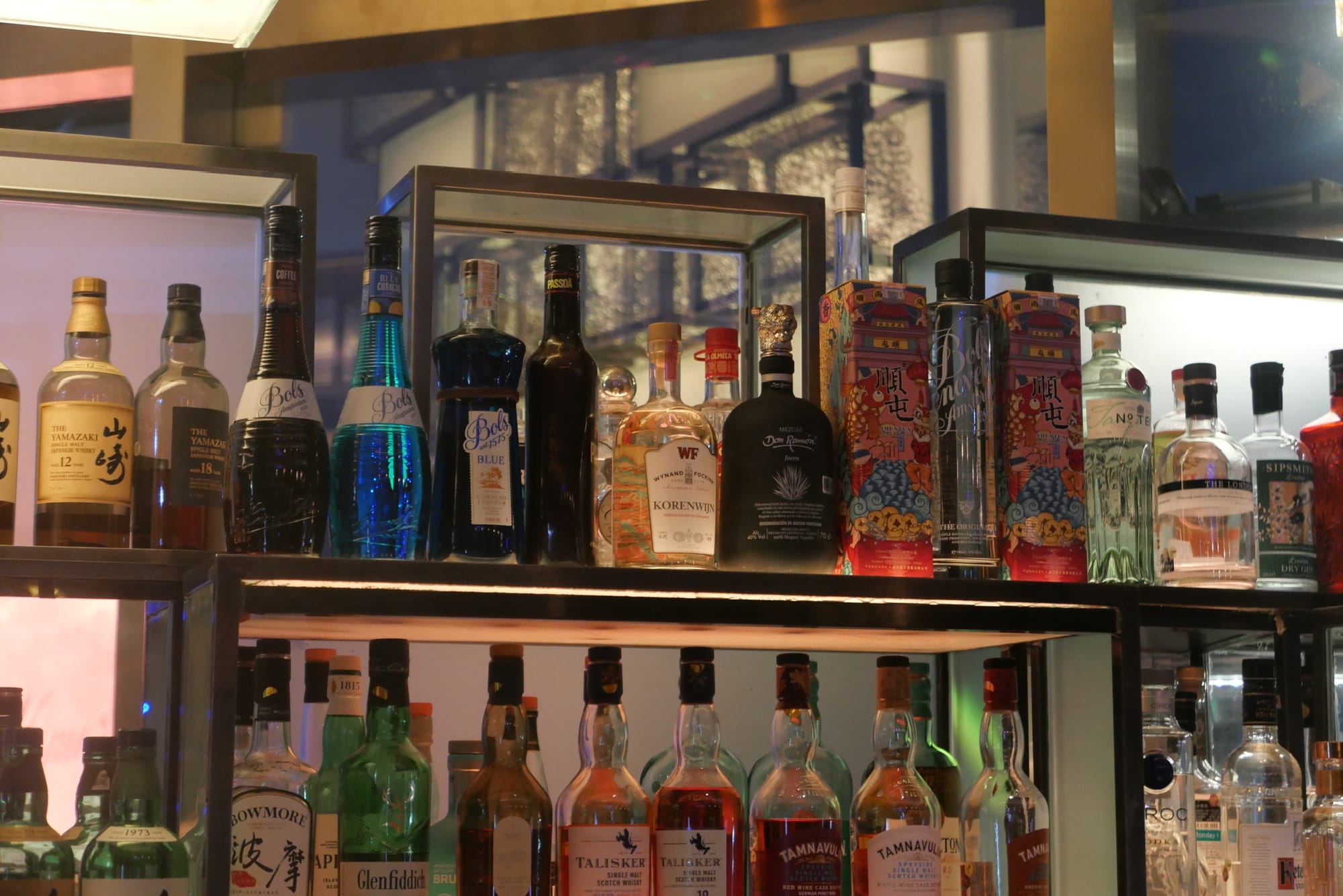
Don Ramon travelled with Luca and Hans in China, and was presented to cocktail lovers through different guest shifts in different cities.
In fact, I even brought it to China. I showed it in Luzhou, the capital of baijiu; in Mianzhu, one of the world’s important liquor-producing regions; and during a guest shift at The Ritz-Carlton Chengdu. By then, the bottle had done more than travel. It had entered conversations that mattered—conversations between traditions, between drink cultures, between ways of understanding what a spirit can represent.
So when it came time to choose a mezcal for the 2e PANDA Cocktail Game, Don Ramón Mezcal Joven appeared in my mind almost naturally.
Not only because it is a good mezcal.
Not only because it had already accompanied me across cities and borders.
And not only because, somewhere behind it, there remains the trace of a girl who once fascinated me.
I chose it because, by then, it had already become part of a larger story—one about memory, character, movement, and the meeting of cultures through spirits.
And that, to me, is exactly the kind of bottle that belongs on the PANDA stage.